From well pads near Williston to pipeline infrastructure stretching across western North Dakota, energy operators need photography that keeps up with the pace of the industry. Here’s how Foltz Photo became the go-to name for Bakken oil and gas documentation.
The Bakken demands more than a point-and-shoot
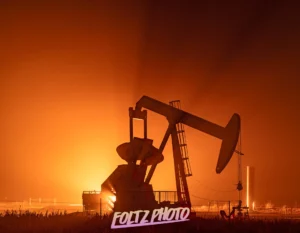
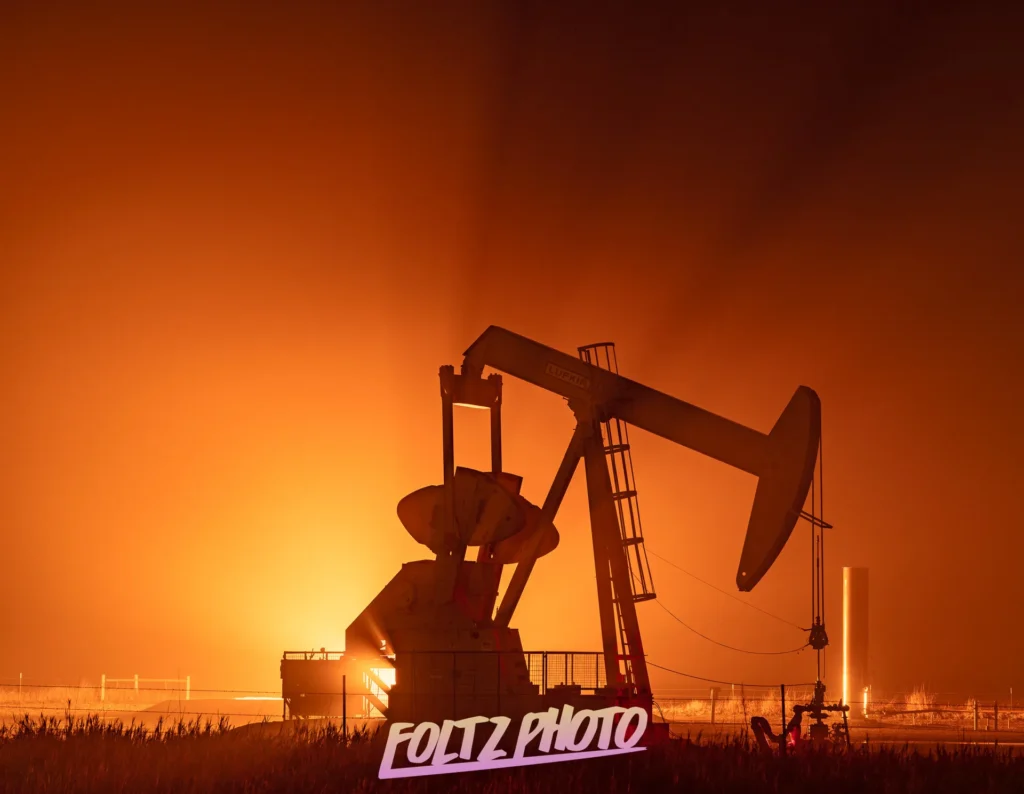
North Dakota’s Bakken Formation spans millions of acres across the western part of the state — Williston, Watford City, Dickinson, and the surrounding region. It’s one of the most active oil-producing areas in the entire country, and the operations that run out here are anything but simple.
Well sites, storage tank batteries, compressor stations, and miles of gathering lines don’t photograph themselves. And when energy companies need documentation — for investors, contractors, permitting agencies, or marketing collateral — they need someone who understands industrial environments, not just photography basics.
That’s exactly the gap that Foltz Photo, North Dakota’s trusted commercial photographer, fills for oil and gas clients across the Bakken.
What makes industrial photography different in the oil patch
Shooting on an active well pad is nothing like a corporate headshot session or a product shoot. There are safety protocols, limited access windows, and physical conditions — dust, wind, cold snaps — that demand real experience in the field.
The job isn’t just getting a clean image. It’s capturing equipment at its best angle, showing scale across large facilities, documenting progress at specific stages, and delivering files that engineers, executives, and marketing teams can actually use.
Our work with energy companies draws on the same techniques behind our broader commercial photography services — disciplined composition, accurate color, and a workflow that’s fast enough to keep pace with active job sites.
Working on a Bakken project that needs documentation?
Whether it’s a well completion, facility expansion, or ongoing site progress, we can put together a photography plan that fits your schedule and access requirements.
Aerial photography changes the picture for energy operators
Ground-level shots tell part of the story. Aerial photography tells the whole one.
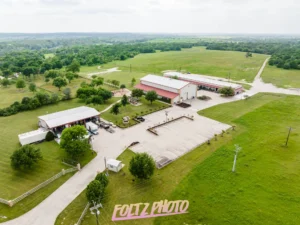
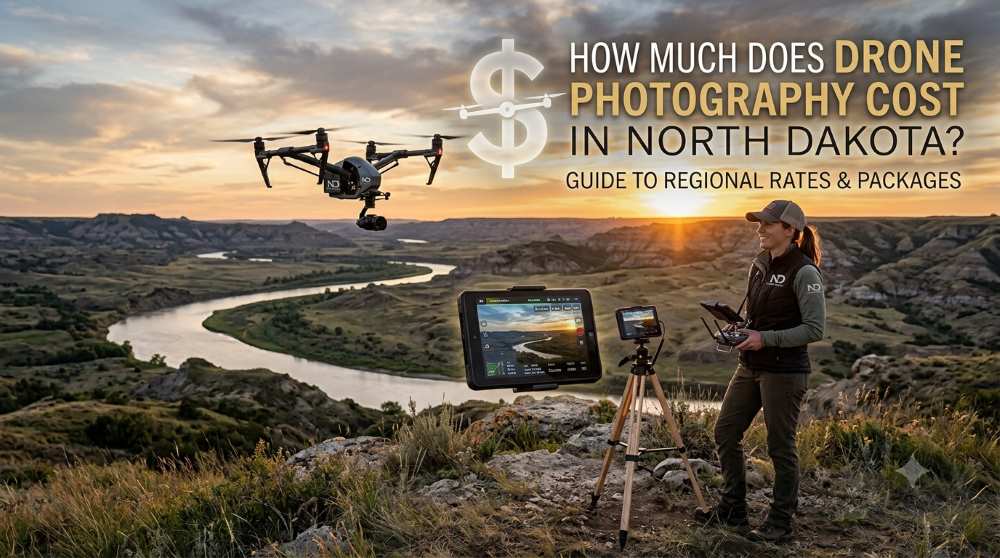
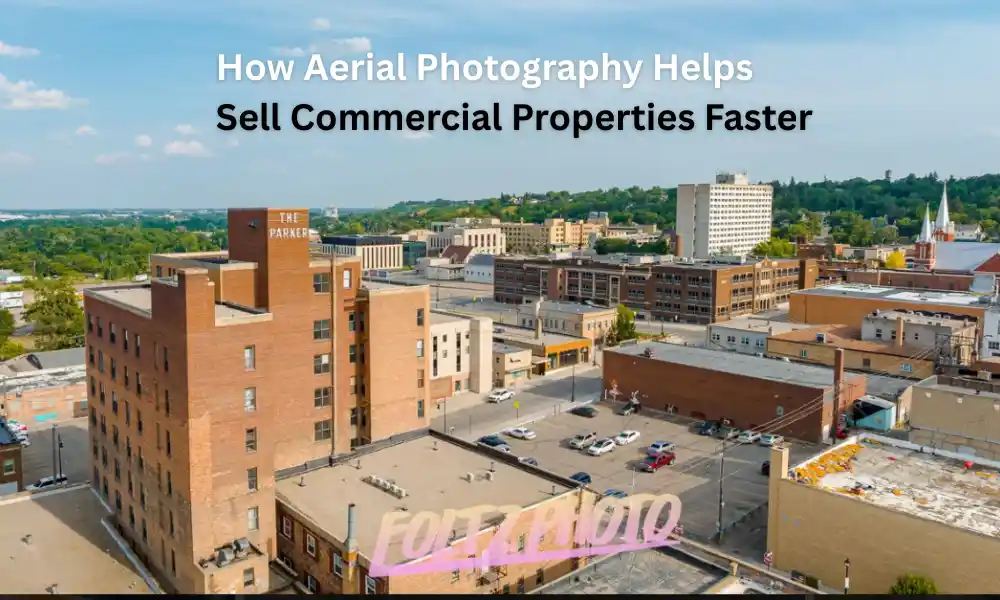
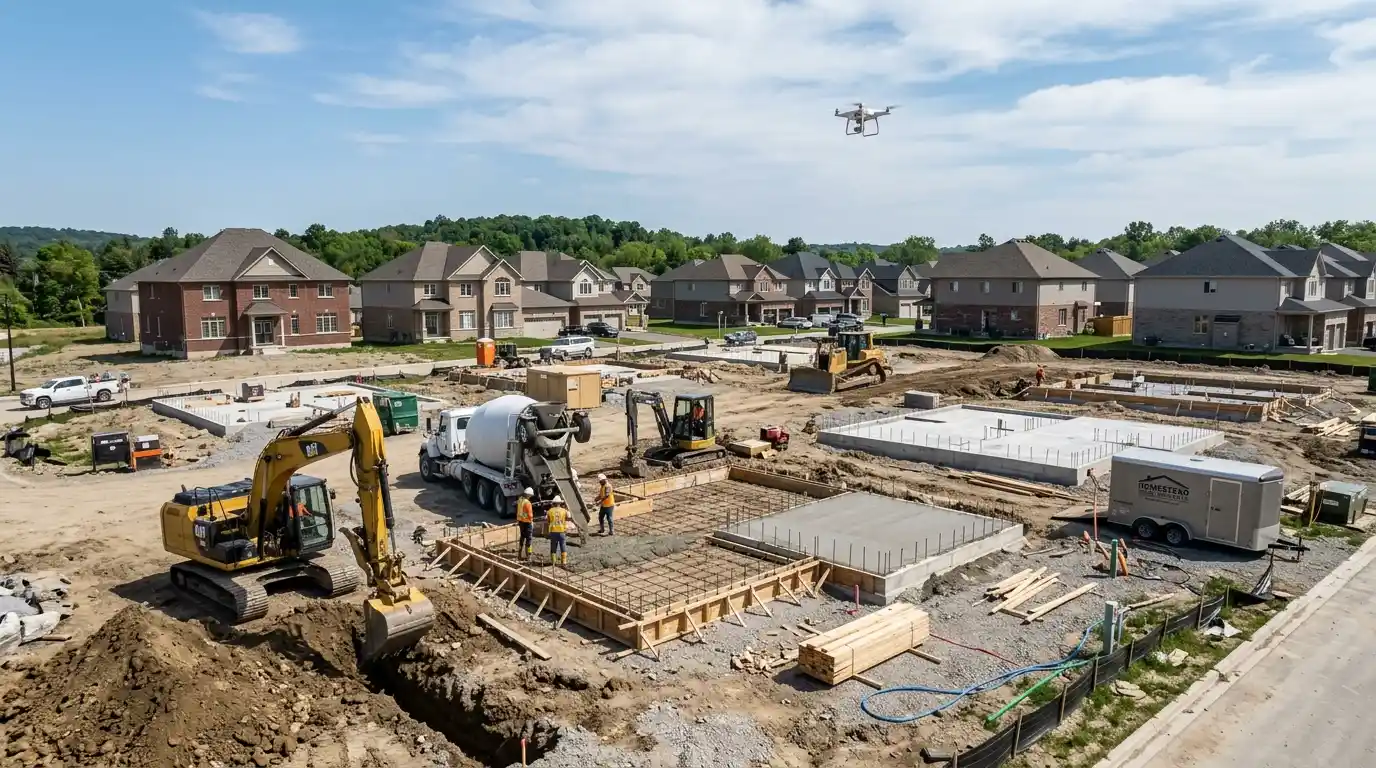
Drone imagery has become a standard tool for oil and gas companies across North Dakota because it does things a ground photographer simply can’t — show the full footprint of a facility, map the relationship between infrastructure components, or capture a site’s progress from a consistent overhead angle across multiple visits.
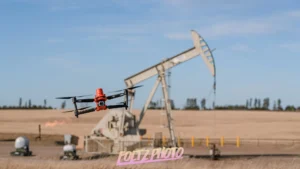
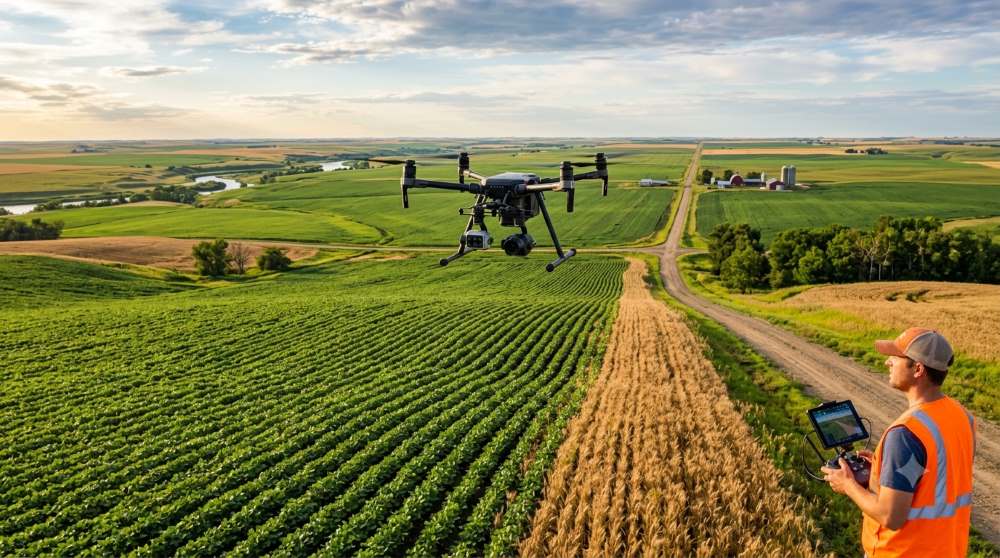
Our aerial photography and drone services are FAA-compliant and operated by a licensed pilot. We fly everything from small well locations to sprawling midstream facilities, delivering high-resolution images and video that work for internal reporting, investor decks, and regulatory documentation alike.
Aerial photography is especially valuable for construction progress tracking. Getting the same overhead angle at week two, week eight, and project completion gives you a visual record that no written report can match. We’ve covered this in depth in our post on how drone photography improves construction project tracking.
Why Bakken companies specifically keep coming back
Energy operators in western North Dakota run on tight timelines. A completion crew won’t wait around for a photographer to figure out site logistics. Drilling rigs don’t pause for golden hour. Facilities need documentation captured between operational windows.
Foltz Photo understands this because we’re based in North Dakota. We know the distances involved in getting from Minot to Williston Basin locations. We understand the seasonal conditions — from summer dust to winter temperatures that drop well below zero. We plan around your schedule, not ours.
That local knowledge is part of what we cover in our post on using drone photography to document large industrial sites — an approach we’ve refined specifically for the scale of energy infrastructure across the region.
Beyond documentation: photography that works for your business
Industrial photography in the oil patch isn’t only about compliance records and progress logs. It’s a business asset. Energy companies use professional photography to:
Win and retain contracts
Quality imagery in bid packages and capability statements signals a serious, professional operation. We’ve written about how manufacturers and contractors use this strategy in our piece on how industrial photography helps North Dakota manufacturers win more contracts.
Communicate with investors and boards
Stakeholders who aren’t on-site need a clear picture of what’s being built and how it’s progressing. Strong imagery bridges that gap faster than any written report.
Support land and regulatory filings
Photographic documentation of site conditions — before and after restoration, environmental compliance measures, and facility layouts — is increasingly expected by state and federal agencies.
Build a stronger brand
Even energy companies need a public face. Whether it’s a website refresh, recruitment materials, or a local community presence, the imagery you use shapes how people perceive your operation. Our business branding photography work across North Dakota shows how that plays out across industries.
North Dakota contractors are already using this
It’s not just the operators themselves. Oilfield service companies — drilling contractors, pipeline crews, saltwater disposal operators, construction firms working on energy infrastructure — are increasingly using professional photography as a competitive differentiator.
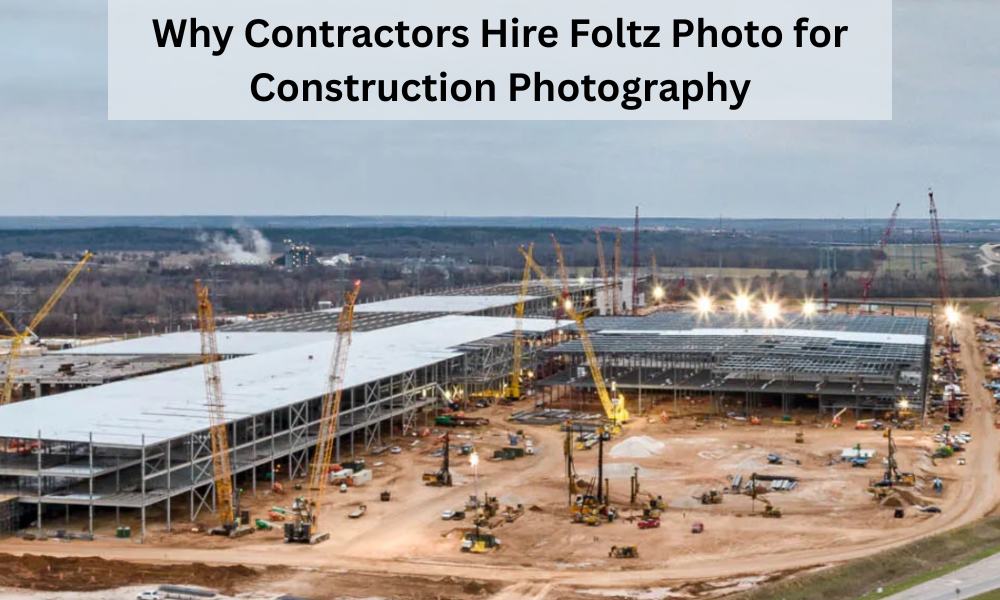
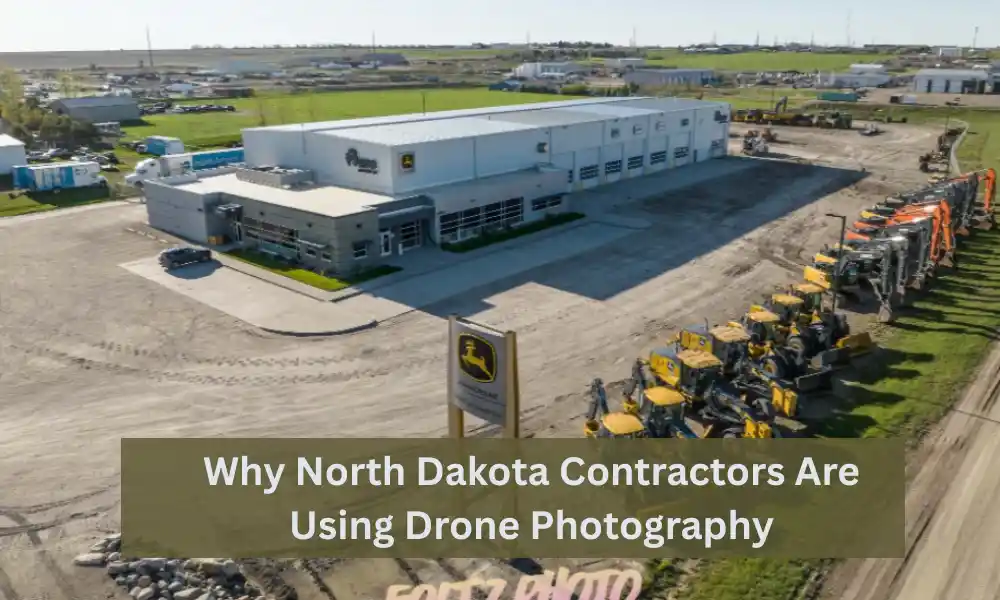
We’ve covered this shift in detail in our look at why North Dakota contractors are turning to drone photography, and in our post specifically about why contractors hire Foltz Photo for construction photography.
The common thread is simple: clients want to see what you’ve done. A well-documented project portfolio, built with consistent, high-quality photography, does more selling than any brochure.
How to work with Foltz Photo on your energy project
Getting started is straightforward. We talk through your project scope — location, timing, access requirements, deliverable format — and put together a plan that makes sense for your operation.
For most Bakken locations, we can be on-site within a few days. We work across western North Dakota including the Williston, Watford City, Stanley, and Tioga areas, and we’re used to coordinating with site managers, HSE teams, and ops supervisors to make sure the shoot works within your protocols.
If you’re not sure what you need yet, take a look at our photography pricing or browse the full range of what we cover on the Foltz Photo homepage. We’re happy to talk through options before you commit to anything.
Ready to document your next Bakken project?
Tell us where you’re located, what you’re working on, and when you need coverage. We’ll take it from there.
Related reading
How drone photography improves construction project tracking
Using drone photography to document large industrial sites
How industrial photography helps North Dakota manufacturers win more contracts
Why North Dakota contractors are using drone photography
Why contractors hire Foltz Photo for construction photography