
Commercial photography helps businesses communicate what they do, showcase their products and services, and create a recognizable brand through professional images. From photographs of products and company teams to images of construction projects, industrial facilities, and commercial properties, businesses use photography across websites, advertising, sales materials, and social media.
But commercial photography is more than taking attractive pictures. The right images should support a specific business goal, whether that means presenting a product, building trust with potential customers, documenting a project, or helping a marketing team communicate a company’s capabilities.
In this guide, we’ll explain what commercial photography is, explore its main types, discuss how businesses use professional images, and share practical advice for planning a successful photoshoot.
If your business needs professional images in North Dakota, Foltz Photo provides photography for businesses, commercial projects, and industrial environments.
What Is Commercial Photography?
Commercial photography is the creation of images for business and promotional purposes. Companies use these photographs to market products, promote services, communicate their brand identity, and support sales and advertising campaigns.
Unlike photography created primarily for personal or artistic expression, commercial photography is planned around a client’s objectives. The photographer considers the intended audience, where the images will appear, the message they should communicate, and how they will be used.
For example, a manufacturer might need photographs of its production equipment and facility to show prospective customers how it operates. A construction company may need progress photographs to document a project, while a retailer may require consistent product images for an online store.
A commercial photography project can involve creative planning, location selection, lighting, styling, image editing, and licensing arrangements. The final photographs should be visually strong while serving a clear purpose for the business.
Commercial Photography vs. Other Types of Photography
Commercial photography can overlap with several other photography genres, but the intended use is an important distinction.
-
Commercial photography: Images created for business promotion, advertising, marketing, or other commercial applications.
-
Editorial photography: Images created to illustrate news, articles, publications, or documentary stories. Editorial images may still be licensed and paid for.
-
Personal photography: Images made primarily for personal memories, family use, or individual enjoyment.
-
Fine art photography: Images created primarily as artistic expression, although fine art photographs can also be sold commercially.
A photograph of a building, for example, could be editorial, artistic, or commercial depending on the purpose and how the image is used.
Types of Commercial Photography
Businesses need different kinds of photography depending on their industry, audience, and marketing goals. Here are some common categories.
1. Product Photography
Product photography showcases the appearance, design, features, and details of products. It is particularly important for ecommerce businesses, manufacturers, retailers, and companies selling physical goods.
Professional product images can help customers understand what they are buying. Clear angles, accurate colors, consistent backgrounds, and detailed close-ups make products easier to evaluate.
Product photography may include:
-
Ecommerce product images
-
Packaging and product detail photographs
-
Lifestyle images showing products in use
-
Advertising campaign images
-
Product photographs for catalogs and sales materials
Businesses should consider how product images will appear on their website, marketplace listings, advertisements, and printed materials before planning a shoot.
2. Industrial Photography
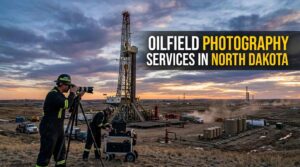
Industrial photography documents and showcases manufacturing facilities, equipment, production processes, industrial workers, and operational environments.
Manufacturers, energy companies, engineering firms, and industrial contractors may use these images to communicate their capabilities and build confidence with customers.
Industrial photographs can show the scale of a facility, the precision of its equipment, the people behind its operations, and the work involved in producing or delivering a product.
For companies operating in North Dakota’s energy and industrial sectors, professional images can support company websites, proposals, recruitment materials, and marketing campaigns.
Learn more about [Foltz Photo’s industrial photography services — link to the industrial photography service page].
3. Construction Photography
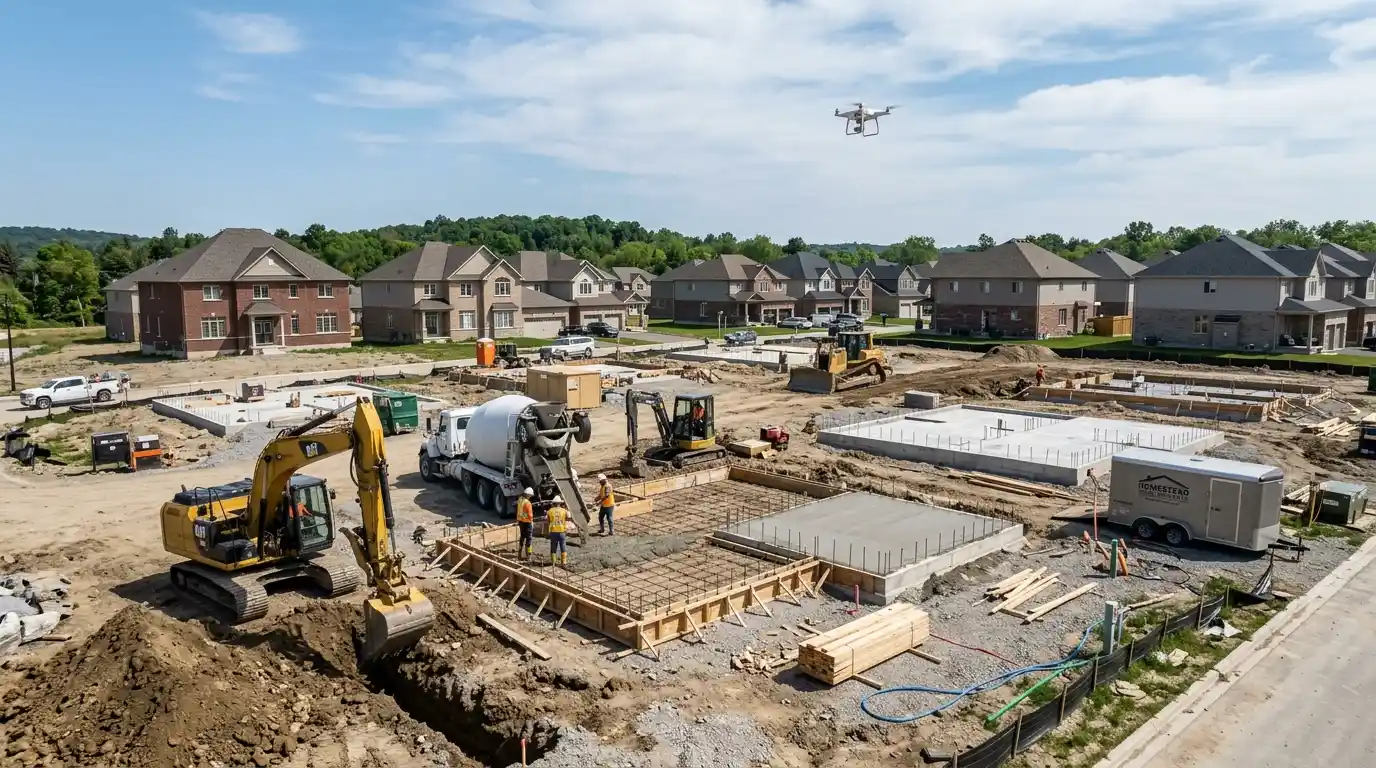
Construction photography captures building projects, contractors at work, equipment, completed structures, and important stages of development.
Construction companies can use professional photographs to:
-
Document project progress
-
Showcase completed work
-
Present capabilities to potential clients
-
Support proposals and project portfolios
-
Create marketing materials for future projects
Project photography can also provide a visual record of work at different stages. For ongoing projects, businesses should establish a consistent schedule and shot list so photographs can be compared over time.
Explore [construction photography by Foltz Photo — link to the construction photography service page] for images that help contractors present their work professionally.
4. Corporate and Business Photography
Corporate photography creates professional images of a company’s people, workplace, leadership, and daily operations.
These photographs may include executive portraits, employee images, office environments, team activities, and business interactions.
Companies use corporate photography on their websites, company profiles, recruitment pages, presentations, and marketing materials. Authentic photographs of a business and its team can help customers understand who they are working with.
5. Advertising Photography
Advertising photography is developed to support a particular promotional campaign. It may involve creative concepts, carefully planned compositions, models, products, locations, and visual elements that communicate a brand’s message.
The images might be used in digital advertisements, printed campaigns, billboards, brochures, or social media promotions.
A successful advertising shoot begins with a clear creative brief. The photographer and marketing team should agree on the campaign’s objective, target audience, image requirements, and intended placements.
6. Architectural and Commercial Property Photography
Architectural photography highlights the design, structure, materials, and visual features of buildings.
Commercial property owners, architects, developers, and businesses may use these images to showcase offices, retail spaces, industrial buildings, and completed developments.
Interior and exterior photographs can support property marketing, company portfolios, architectural presentations, and project documentation.
For a commercial building, the goal is not simply to make it look attractive. The images should communicate its design, functionality, and features accurately.
7. Aerial Photography
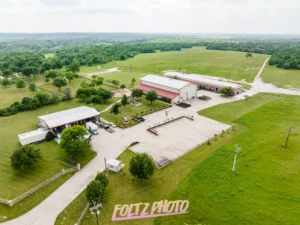
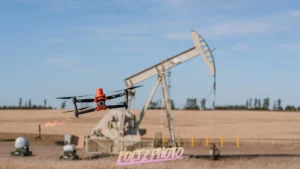
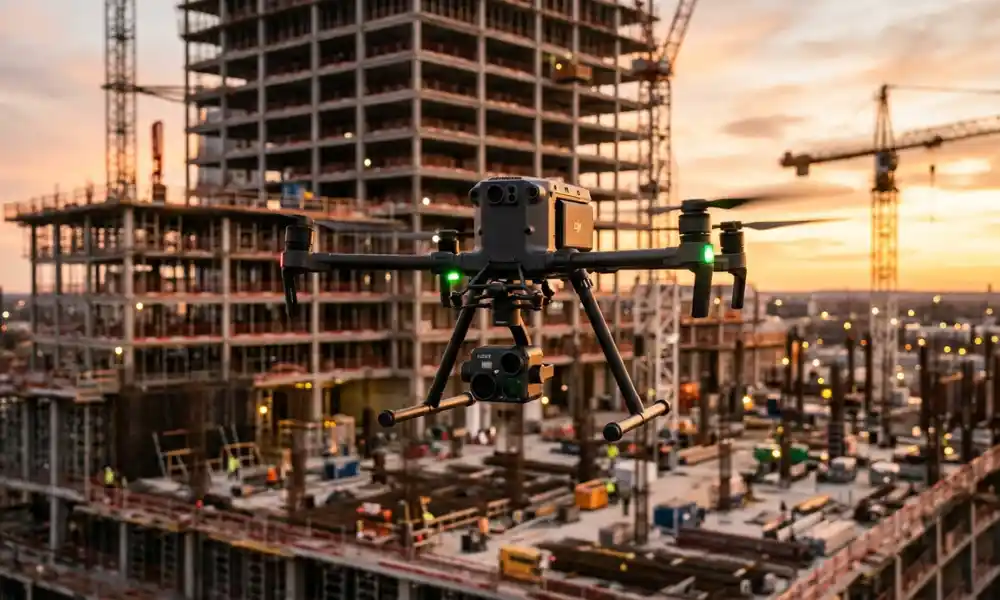
Aerial photography uses elevated viewpoints, often captured with a drone, to show properties, construction sites, industrial facilities, land, and infrastructure from above.
These images can help businesses communicate the scale and layout of a project in ways that ground-level photographs cannot.
Aerial images may be particularly useful for construction documentation, commercial property marketing, and showcasing large industrial or energy-related sites.
For drone projects, businesses should also consider site access, weather, airspace restrictions, and applicable flight regulations.
See [Foltz Photo’s aerial photography services — link to the aerial photography service page].
8. Automotive Photography
Automotive photography showcases vehicles, their features, design, and condition. Dealerships, automotive businesses, manufacturers, and marketing teams may use these images for websites, advertisements, catalogs, and promotional campaigns.
The photography may include detailed vehicle images, exterior and interior views, action photographs, and images captured in a location that supports the brand’s identity.
For dealerships, consistency across vehicle listings is especially important because customers often compare several vehicles before making a decision.
9. Food and Beverage Photography
Food photography presents meals, ingredients, beverages, and food products in a visually appealing way.
Restaurants, cafes, food manufacturers, and hospitality businesses use these images for menus, websites, social media, advertising, and packaging.
Lighting, styling, color, and composition all influence how a dish or product appears. The photographer should understand the intended use so the final images fit the business’s marketing needs.
10. Lifestyle Photography
Lifestyle photography shows products, services, or people in natural or carefully arranged real-world situations.
Rather than isolating a product against a plain background, lifestyle images show how it fits into a customer’s everyday life or working environment.
Businesses may use lifestyle photography to create relatable marketing content, communicate their brand personality, and help audiences understand how a product or service is used.
Why Does Commercial Photography Matter for Businesses?
Professional photography can support several important business objectives. Its value depends on how well the images align with the company’s marketing and communication needs.
Build a Stronger Brand Identity
A consistent visual style helps a company present itself clearly across its website, advertising, social media, and sales materials.
Original photographs of a company’s team, workplace, products, and projects can make its brand feel more recognizable and authentic.
Present Products and Services Clearly
Customers often need to understand what a business offers before contacting or purchasing from it.
Professional images can show product details, explain the scale of a project, illustrate a service in action, or demonstrate the quality of completed work.
For contractors and manufacturers, photographs of actual projects and operations can be particularly useful when a prospective client is evaluating experience and capabilities.
Support Marketing and Advertising
Businesses can use commercial photographs across multiple channels, including:
-
Website service and product pages
-
Digital advertising campaigns
-
Social media content
-
Brochures and company presentations
-
Sales proposals and trade show materials
-
Recruitment and company profile pages
Planning the shoot around these placements can help a business obtain images that are useful beyond a single campaign.
Create More Authentic Business Content
Original business photography gives marketing teams visual material that reflects their actual products, people, facilities, and work.
This can be especially valuable for companies whose customers want to understand their operations before requesting a quote or entering into a business relationship.
Improve Website Visuals and User Experience
Relevant, well-composed images can make a website easier to understand and more engaging. They can help visitors recognize a service, see examples of completed work, and navigate a company’s offerings.
Photography alone does not guarantee higher search rankings or more conversions. Website performance also depends on useful content, technical SEO, accessibility, page speed, and whether the site meets visitors’ needs.
For SEO, businesses should use appropriately sized image files, descriptive filenames, meaningful alt text, and images that genuinely support the page.
How to Choose the Right Commercial Photographer
The right photographer should understand both the visual requirements of your project and the business purpose behind it.
Before hiring someone, consider the following.
Review Their Portfolio
Look for examples that match your industry and the type of photography you need.
A photographer experienced in corporate portraits may not necessarily be the best choice for documenting an industrial facility or a large construction project.
Review image quality, consistency, composition, lighting, and whether the photographs communicate the subject clearly.
Discuss Your Business Objectives
Explain what you want the photographs to accomplish.
Are you showcasing completed projects, promoting a product, updating your website, documenting construction progress, or creating an advertising campaign?
Clear objectives help the photographer recommend suitable locations, angles, image formats, and production requirements.
Confirm Deliverables and Usage Rights
Before the shoot, clarify:
-
How many final photographs will be delivered
-
Whether image editing is included
-
The expected delivery timeline
-
Where the photographs can be used
-
Whether any licensing restrictions apply
-
Whether additional images or usage rights will cost extra
Commercial photography pricing varies with project complexity, production requirements, the number of images, and licensing. Rather than relying on a general hourly estimate, request a project-specific quote.
Consider Experience With Your Industry
Some projects require more than general photography skills.
Industrial and construction shoots may involve safety procedures, restricted work areas, changing site conditions, and coordination with project managers.
A photographer who understands the environment can plan more effectively and capture useful images while respecting operational requirements.
How to Prepare for a Commercial Photoshoot
Good preparation helps a photography project run smoothly and produces images that are more closely aligned with the company’s needs.
1. Define the Purpose
Start by identifying what the photographs should communicate and who will see them.
A shoot for a company website may require a different approach from a campaign for a printed brochure or social media advertising.
2. Create a Shot List
Prepare a list of essential images before the shoot.
For example, a construction company might request photographs of the project site, equipment, workers performing specific tasks, important project stages, and the finished structure.
A manufacturer may need facility-wide images, equipment details, production activities, and photographs of employees at work.
3. Prepare the Location and Subjects
Make sure the location is accessible and that relevant people, products, equipment, or materials are ready.
For industrial and construction photography, coordinate with site personnel about safety requirements, permitted areas, protective equipment, and the best times to photograph active operations.
4. Discuss Image Formats and Usage
Tell the photographer where the final images will appear.
A website banner, product listing, print brochure, and social media post may each require different framing or dimensions.
If images will be used in several places, discuss whether the photographer can capture both horizontal and vertical compositions.
5. Plan for Timing and Conditions
Outdoor and on-location photography can depend on weather, lighting, site activity, and access.
Allow enough time for setup, changes in conditions, and any required coordination. For ongoing construction projects, establish a schedule that reflects the project’s milestones.
How Much Does Commercial Photography Cost?
Commercial photography costs depend on the photographer, the project’s scope, and how the resulting images will be used.
Common pricing factors include:
-
Time required for planning and photography
-
Number and complexity of the requested images
-
Location, travel, and access requirements
-
Equipment, lighting, styling, or additional production needs
-
Editing and post-production
-
Image licensing and usage rights
A straightforward product shoot may require a different budget from a multi-day industrial or construction project.
For businesses in North Dakota, the best way to estimate costs is to provide the photographer with a project brief, location, expected deliverables, timeline, and intended usage. This makes it easier to receive a quote that reflects the actual work involved.
Frequently Asked Questions
What is commercial photography used for?
Commercial photography is used to promote businesses, products, services, and brands. Companies use it on websites, advertising campaigns, social media, brochures, catalogs, sales presentations, and other marketing materials.
What is the difference between commercial and product photography?
Product photography focuses specifically on showing products, including their appearance, features, and details. Commercial photography is broader and can include product images, corporate photography, industrial photography, construction photography, advertising, and other business-related visual content.
Do small businesses need commercial photography?
Small businesses can benefit from professional photography when they need clear, original images for their websites, marketing materials, products, or services. The appropriate investment depends on their objectives, budget, and how frequently they need new images.
How much does commercial photography cost in North Dakota?
There is no single rate for every commercial photography project in North Dakota. Costs vary depending on the photographer, project duration, production requirements, deliverables, and image licensing. Request a quote based on your specific needs.
Can commercial photographs be used on a website and social media?
They can be used across multiple platforms when the agreed licensing terms permit those uses. Businesses should confirm usage rights with their photographer before publishing images in advertising, websites, social media, or printed materials.
How do I prepare for an industrial or construction photography shoot?
Start by identifying the project goals and required images. Coordinate site access, safety procedures, schedules, and relevant personnel. Prepare a shot list and discuss the intended use of the final photographs with your photographer.
Give Your Business a Stronger Visual Story
Commercial photography helps businesses show their products, people, projects, and capabilities through purposeful images. Whether you need photographs for a website, an advertising campaign, a construction portfolio, or an industrial facility, choosing the right photographer and planning the project carefully can make the images more useful for your business.
Foltz Photo works with businesses in North Dakota to create professional photography for commercial and industrial needs.
If you’re planning a photography project, visit Foltz Photo to explore its services and discuss what your business needs.